Passenger travel
Vehicle dimensions, speed rating and seasonal road conditions shape the candidate list. Consider the balance between wet grip, wear and rolling resistance within the intended use.
Applications
The right starting point is the vehicle, its load and the surface it encounters.
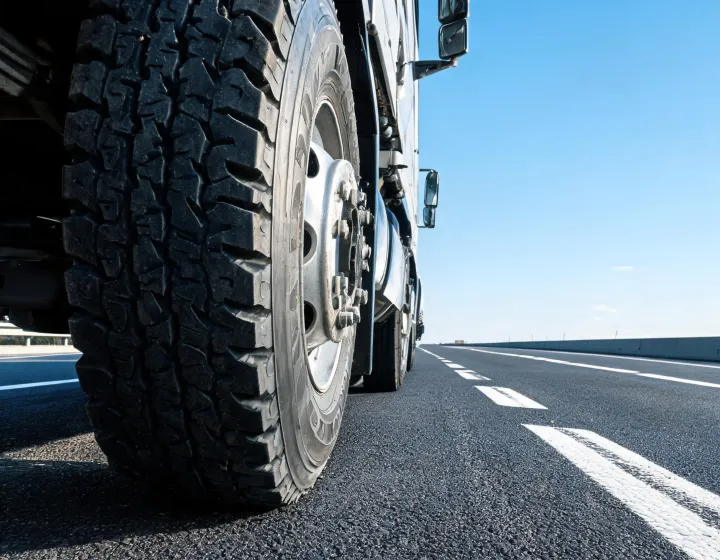
Operating environments affect the questions a buyer should ask. Use the examples below to build a brief; an application still requires confirmation against the actual product specification and vehicle requirements.
Vehicle dimensions, speed rating and seasonal road conditions shape the candidate list. Consider the balance between wet grip, wear and rolling resistance within the intended use.
Frequent stops, axle loads and mixed urban routes put different demands on tires than sustained highway operation. Track position and service intervals when comparing options.
Document load distribution, average speed, route conditions and maintenance practices. Tread depth and inspection routines form part of the operating plan.
Describe the proportion of paved and unpaved travel, exposure to debris and expected loads. Confirm the chosen tire is intended for the defined duty.
These scenarios show how requirements change the review; they are examples rather than claims about completed customer projects.
A regional operator records axle positions and replacement timing, then compares candidates against load and route data before deciding on a trial.
An engineering team confirms tire dimensions, load index and speed category alongside vehicle interface and destination-market requirements.
A buyer documents temperature and surface exposure, then evaluates the evidence relevant to the anticipated conditions rather than relying on a general label.
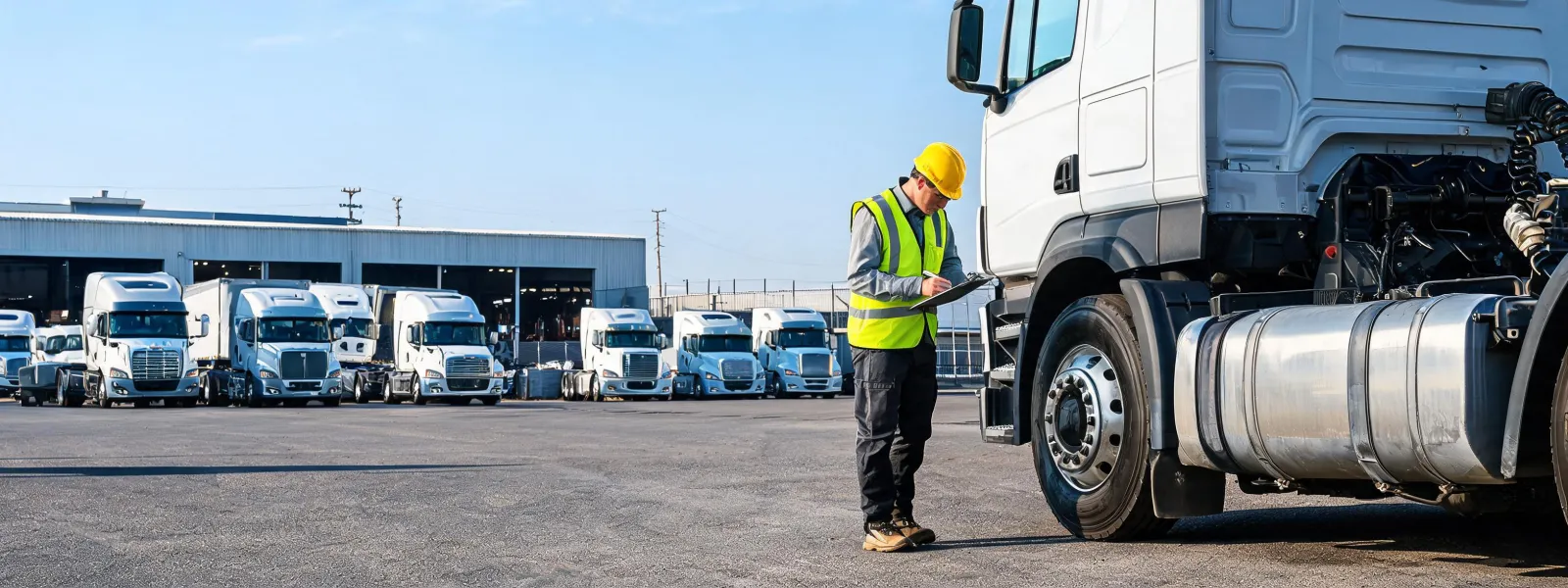
Share the vehicle, axle load, route and market for a focused discussion.